Keeping Auckland International Airport running smoothly
Client
CSE Genesis
Work Types
Web App, Integrated Systems, Radio Systems
Technologies
VUEJS, CSHARP, DOTNET, MOTOROLA, SQL
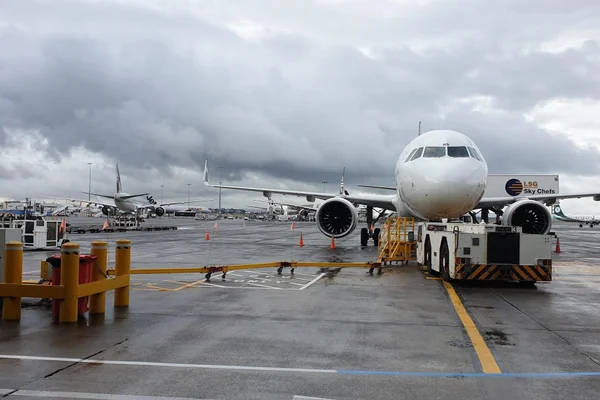
Keeping track of the radios Auckland Airport relies on
Radios are part of daily work across Auckland Airport. Cleaners and operations managers use them in different ways, but both need a device they can get hold of quickly. When radios went unaccounted for, management could not always see who had them or which department was using them. That made devices harder to find when they were needed and added the cost of replacing missing radios.
CSE Genesis led a refresh of the airport’s radio equipment. Calo worked with CSE to deliver NETiD, an airport asset tracking system for the radios used across the site. It had to work with the existing Motorola devices, be easy to use at terminals throughout the airport, and give management a clear view of where each radio was in the issue and return process.
Learning how the airport uses radios
Before building the system, Calo spent time at the airport with the people who would use it. A cleaner checking out a radio had different needs from an operations manager overseeing radio use, and the system had to work for both.
There was also a safety rule NETiD needed to enforce. Any radio taken near aircraft had to be intrinsically safe, meaning it could not create a spark. Staff working in those areas could not be allowed to check out a radio that did not meet that requirement. The airport’s security requirements also shaped how the system was designed and rolled out.
How NETiD works
NETiD brings radio records into one system. Staff check radios in and out at terminals around the airport, while supervisors use an admin portal to see what is in use and what is available. Calo built a custom API to connect the terminals with the existing radio network.
At the terminal
At the start of a shift, a staff member swipes their access fob and the radio at a terminal. They scan the radio again when they return it. Each terminal feeds the same system, so a radio’s status stays up to date wherever it is checked in or out. The process had to be fast and straightforward enough to use every day.

In the admin portal
Supervisors can see who has checked out a radio, how long it has been in use, and how many are available. They can look at use by person or department, spot devices with high or low use, and see which terminals staff are using. They can also assign or lock radios remotely.
Behind the scenes
The system had to work with Motorola radios and staff RFID fobs already in use at the airport. Calo’s Terminal API passes commands from the terminals to TRBONet, which controls the radios over the Tier 3 Capacity Max network.
What changed
NETiD has made radio use easier to account for. The airport has had fewer misplaced devices, and supervisors spend less time administering radio issue and return.
Explore asset tracking
NETiD was built for radio issue and return at Auckland Airport. For other asset workflows, explore Calo's Ledger product or compare tracking approaches.
Services behind this project
Explore how we could help with a similar project.
Related Projects

Cold-chain monitoring for Franklin Foods / Com Group