Cold chain monitoring
Client
Com Group
Work Types
OnSight, Web App, Integrated Systems
Technologies
DOCKER, CSHARP, VUEJS
How OnSight made it easier for Com Group to keep their cool
Franklin Foods (Com Group) produces quality frozen New Zealand beef, lamb and chicken products for the New Zealand market. Due to the scale of their operation in Pukekohe, Auckland, they use external refrigerated containers (reefers) to store food - with temperatures varying depending on the product stored.
Ensuring the reefers maintain the correct temperature, with minimal variation, is critical for food safety. Having effective systems in place and keeping accurate records is a core requirement of Ministry for Primary Industries (MPI) compliance.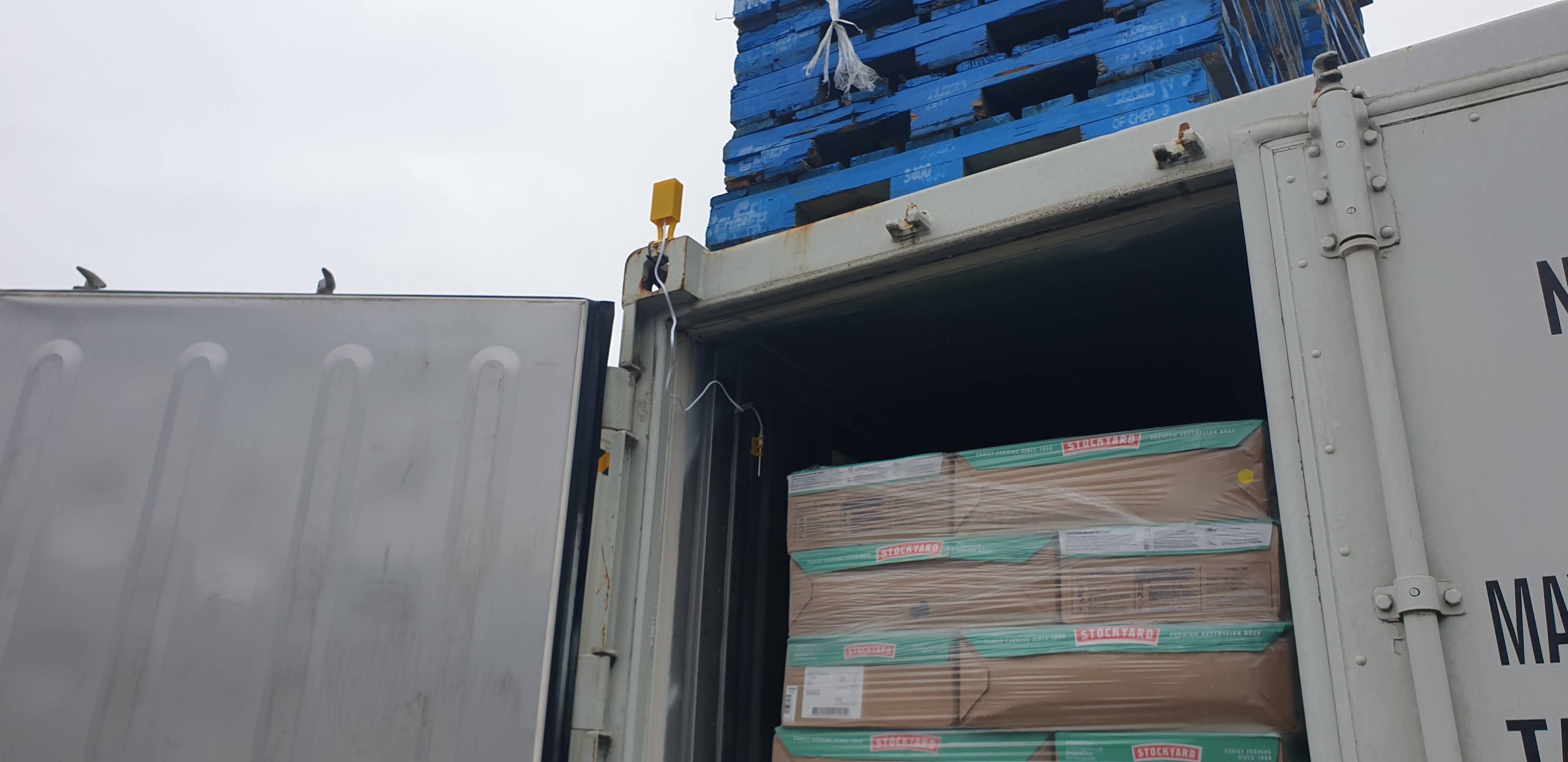
Compliance and safety challenges
The four reefers used had no automated ongoing monitoring, so all temperature checks were carried out manually and recorded in temperature logs, which also needed to be conducted over weekends and holiday periods when the facility was closed. This system was unwieldy and left significant room for error. The greatest risk was the temperature rising above the level required for food safety and dropping again, without any record of this occurring, leading to unsafe or wasted food products.
This had been recognised as an issue by Franklin Foods and raised by MPI during compliance auditing.
Designing an accurate and usable solution
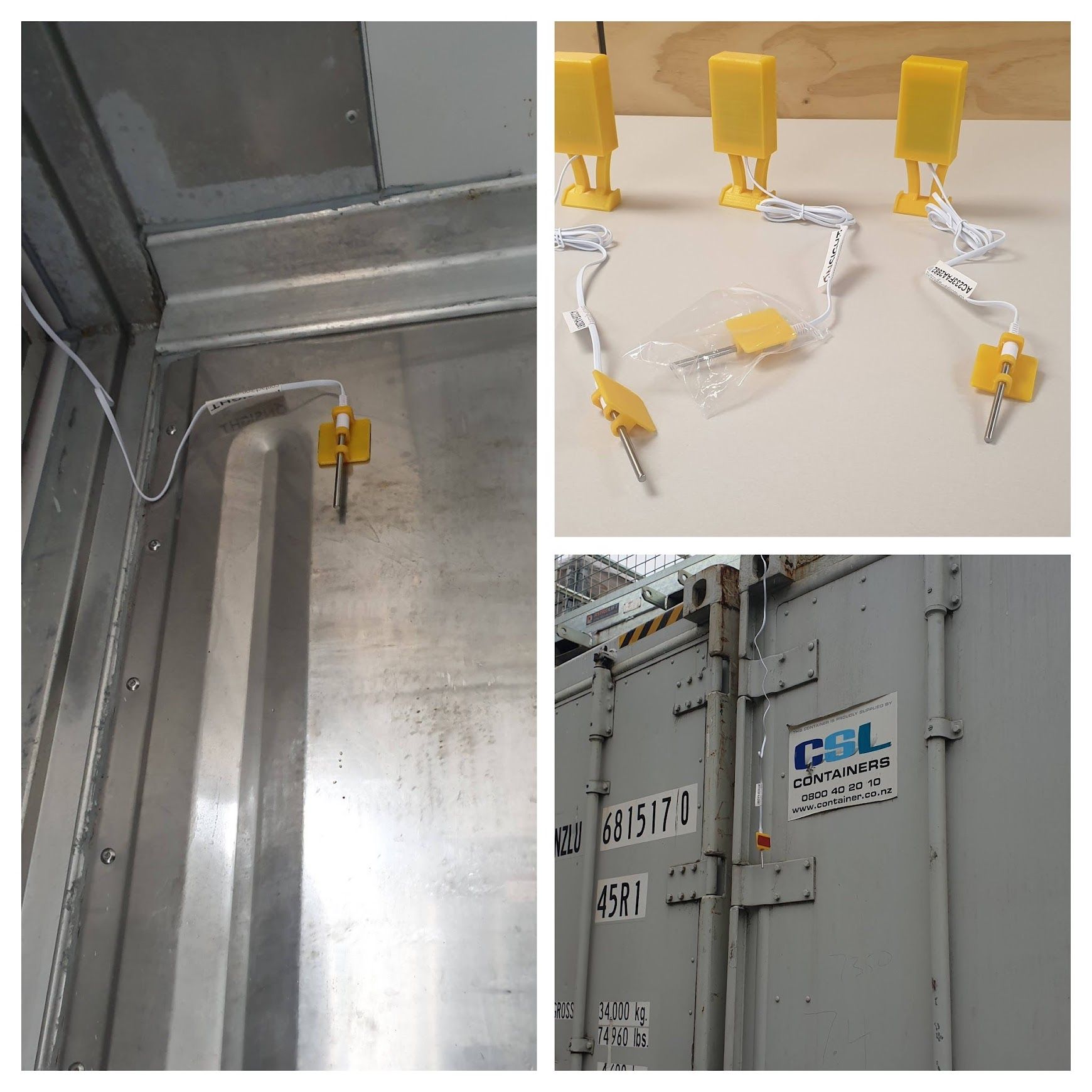
The solution developed by OnSight needed to be accurate and easy to use. Each reefer was given a monitor, which reads the temperature value from a probe and transmits the information back to a gateway. This is connected to the internet and feeds the records to cloud-based services.
Parameters are set based on the requirements of the products stored in each reefer, which change regularly, with an alert issued if the temperature deviates from these specifications. While the data is recorded every 60 seconds and is accessible in real time via a dashboard, for ease of compliance reporting Franklin Foods also receives a monthly report as a CSV file, with temperature readings at 15 minute intervals.
Reefers are fully insulated and have layers of steel and aluminium, meaning the sensors were not able to transmit the temperature readings from the interior to the exterior. To work around this a temperature probe was fed into the reefer, with the monitor housed in an external mount.
The monitor is vulnerable to the elements and needed to be protected to ensure the integrity of the data and longevity of the device. A housing unit was designed and 3D printed in house to provide a secure cage. Securely fastening the probe inside the reefer was important to ensure consistent temperature readings and prevent accidental displacement by staff. The temperature inside the reefers created condensation and made adhering the probe a challenge, so this needed to take place in stages when the reefers were out of use.
Safer and easier daily operations
Franklin Foods has gained oversight of a key element of their food safety risk and has an assurance that their operations are meeting compliance requirements and are easily able to provide evidence of this. The ability to read the temperature of the reefers in real time from anywhere has been well received, and next steps include a software update to allow parameters for alarms to be adjusted in-app to easily meet the requirements for different products. Tailored product profiles will also empower Franklin Foods to be able to use the system more independently and efficiently.
During the test period a probe was knocked and ended up outside the reefer. This then recorded a temperature rise which triggered the alert to be delivered. The problem was easy to find, remedy, and prevent from occurring again but the incident served as a test to show that the system was working.
While the initial goal of this project was to improve safety and compliance, the OnSight team took the opportunity to streamline the reefer temperature management systems at Franklin Foods. OnSight’s expertise in integration and understanding of the platforms available, along with hands-on practicality, saw the development of a solution that resolved the client’s issues while adding a valuable understanding of business critical information.
Related Projects

RFID Bin Rollout