How should you track your assets?

Need to know what's on site, who has it or where it was last seen? Answer questions about your operation to find a tracking approach that could fit.

Get an initial recommendation without sharing your contact details.

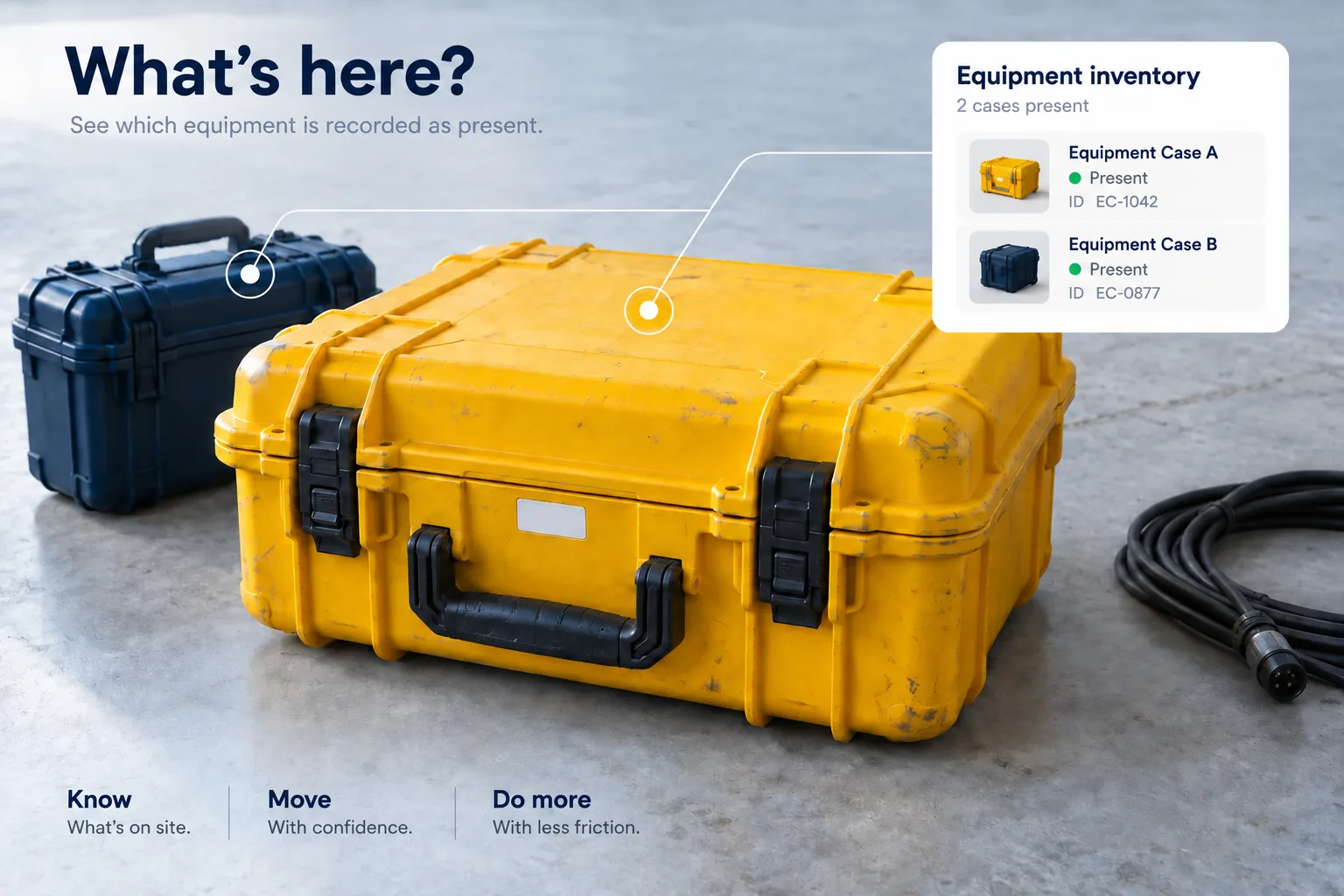
Example inventory showing a yellow and navy equipment case, with two cases recorded as present.
Example tracking data: Two equipment cases recorded as present.

Keep track of equipment between stores, sites and people.

Calo connects tracking hardware with your software and the way your team issues, moves and returns equipment.

Which tracking method fits your operation?

Compare what each method can tell you, what equipment it needs and what your team would need to do.

QR / BarcodeScan each itemIdentify items and record everyday handovers.
Example QR asset label

What’s involved

Low-cost printed labels, a phone or scanner and a consistent scanning workflow.

Where the limits are

Each item needs a deliberate scan. Records only stay useful if people keep them up to date.

NFCTap each tag with a phone or readerOpen or update an asset record with a phone.
Example NFC tag

What’s involved

Suitable NFC tags, compatible phones or readers, and software for the workflow.

Where the limits are

A deliberate close-range interaction with each item. It is not a bulk counting method.

UHF / RAIN RFIDRead groups of tags or detect them at an entranceCount batches or detect assets at controlled points.
Example passive RFID label

What’s involved

Passive tags, handheld or fixed readers, and software that turns reads into useful records.

Where the limits are

Materials, tag placement and reader installation affect performance. A detection does not provide continuous location.

BLEDetect tags within gateway coverageSee a zone or where an asset was last detected.
Example BLE beacon

What’s involved

Battery-powered tags, gateways covering the relevant areas, and connected software.

Where the limits are

Batteries and coverage need managing. Basic proximity is not precise positioning; higher precision needs a more specialised design.

GPS / CellularLocation beyond your own sitesFollow valuable mobile assets outdoors.
Example GPS tracking device

What’s involved

Powered devices, connectivity and reporting software, with device and ongoing operating costs.

Where the limits are

Reception, coverage, update frequency and battery life all matter. Indoor visibility may need a complementary approach.

HybridMore than one methodSolve different parts of the same tracking problem.
Example RFID label and BLE beacon

What’s involved

For example, RFID at controlled entry points with BLE for broader last-seen observations, joined through common asset records.

Where the limits are

Each method should serve a clear purpose. Added hardware and integration need to justify their cost.

Find out what could work before you talk to us

Tell us what you track, where it moves and what you need to know. You'll get a suggested approach, its practical limits and the questions to check before choosing equipment.

  • Change your answers to see how the recommendation changes.
  • Print or save your report to discuss with your team.

Work through five sections, review your answers and see your recommendation.

Start the assessment

What a recommendation looks like

Example

Your operation

Reusable equipment.
Batch stocktakes.
No tag batteries.

A likely approach

Passive RFID with
a handheld reader

Why
Read groups of tagged items during a deliberate stocktake.
Needs
Suitable tags, a handheld reader and connected asset records.
Check
Tag placement and read performance on your actual equipment. A stocktake is not continuous location.
Indicative guidance, not a final system design. Your answers may point to another method, a combination, or no new hardware.

What does asset tracking cost?

Budget for the equipment, the work to put it in place and the effort to keep it useful. The total depends on your assets, sites and workflow.

Tags and tracking devices
Readers and gateways
Software and integration
Installation and training
The budget includes the equipment, the software and the work to put it into use. The mix depends on your tracking approach.

Getting started

Tags and tracking devices
The right tags or trackers for the assets, including mounts and attachment.
Readers and gateways
Handheld scanners, fixed readers, antennas or gateways for the areas you need to cover.
Installation and configuration
Fitting equipment, power and network work, setup and site testing.
Software and integration
Software setup, existing data and connections to the systems your team uses.
Training and process changes
Time to learn the workflow and agree how to handle exceptions.

Keeping it running

Software and connectivity
Subscriptions, cellular data or gateway connections, where the design needs them.
Support and maintenance
Support, equipment servicing and upkeep of software integrations.
Batteries and replacements
Battery servicing, damaged or lost devices, and replacement tags or mounts.
Staff time
Scanning, checking exceptions and keeping asset records useful.

Test it on the work you actually do

A small pilot gives you evidence for the next investment decision. Use a representative group of assets and agree what success means before the trial starts.

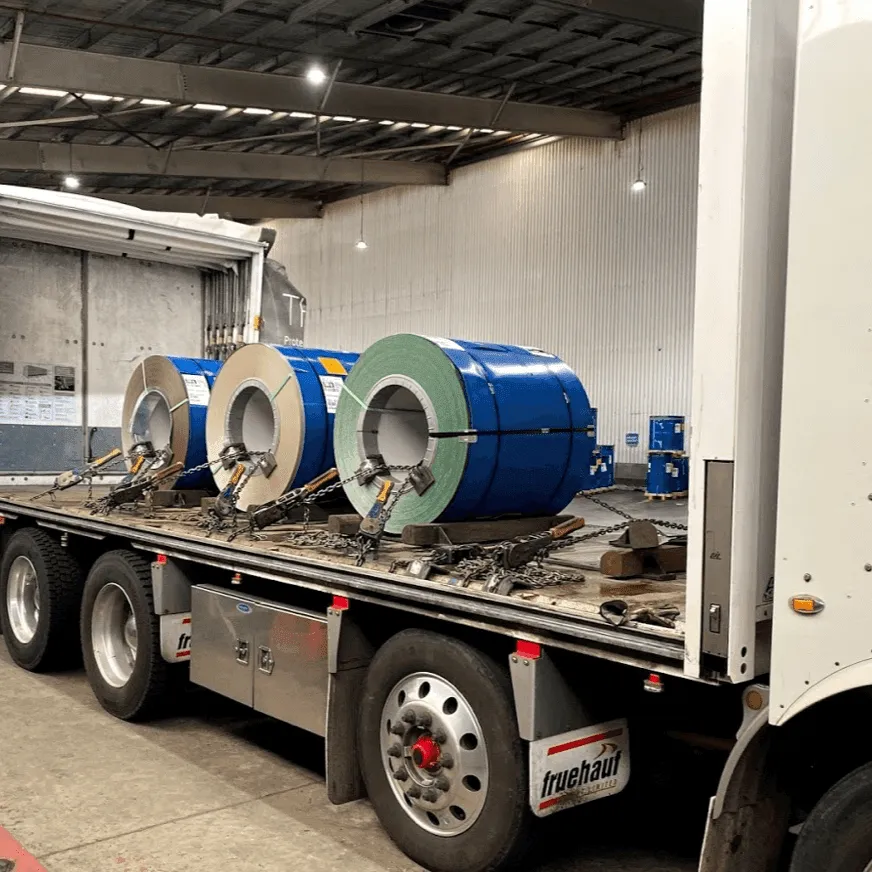
Steel coils secured on a truck inside a warehouse, from the NZ Steel tracking pilot
NZ Steel pilot. OnSight trialled BLE tags to record steel-coil detections.
  1. Define the problem

    Record what happens today, who needs better information and what they would do with it. Measure a baseline where you can.

  2. Choose a representative asset group

    Keep the scope small enough to test. Include the materials, locations and movements the system will need to handle.

  3. Agree the acceptance criteria

    Decide which events must be recorded, how quickly the records must be available and how you will check missed or incorrect events.

  4. Test real workflows

    Observe normal work and failure cases. Check capture reliability, whether staff can follow the process, and the time it adds or recovers.

  5. Review the evidence and decide

    Compare the results with the agreed criteria and full rollout costs. Proceed, adjust and retest, or stop if the fit or value is insufficient.

Agree before you start

The scope, cost, test period, responsibilities and review date. Set pass criteria for useful records, staff effort and the operational improvement you need.

Work out whether a pilot is worth doing

We'll review your workflow, identify what needs testing and clarify the scope needed to estimate costs. You can bring your assessment report or start with the problem.

Review your tracking requirements

Make tracking work with your existing systems

We work through how your team issues and returns equipment, what happens when things go wrong, and which systems need the records. We test uncertain parts before committing to a design.

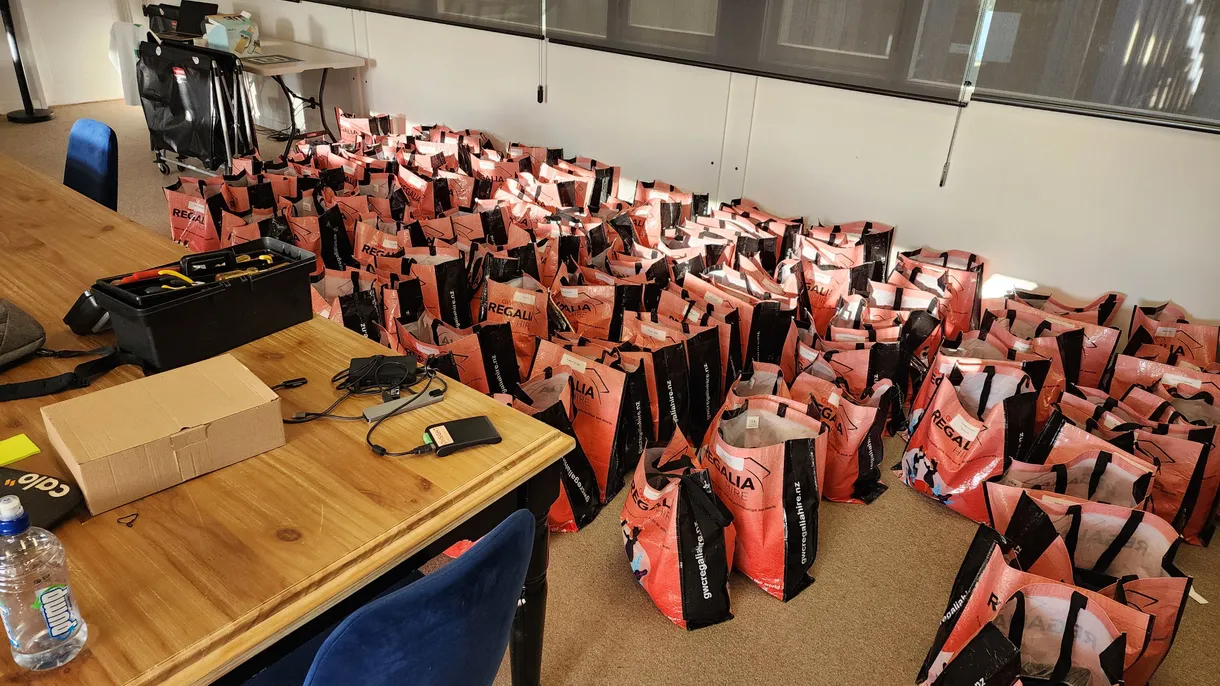
Rows of GWC Regalia Hire bags arranged beside the workbench at a graduation event

GWC Regalia Hire

From an order
to a bag of regalia.
And back again.

Calo connected RFID garment tracking with the ordering process, helping the team record issue and return activity and see what was outstanding.

Read the GWC Regalia story

Choose the tools that fit the job

Your solution may use Ledger, OnSight or an integration with the systems you already use.

Ledger

Asset records and issue-and-return workflows.

OnSight

Connect devices and see the information they report.

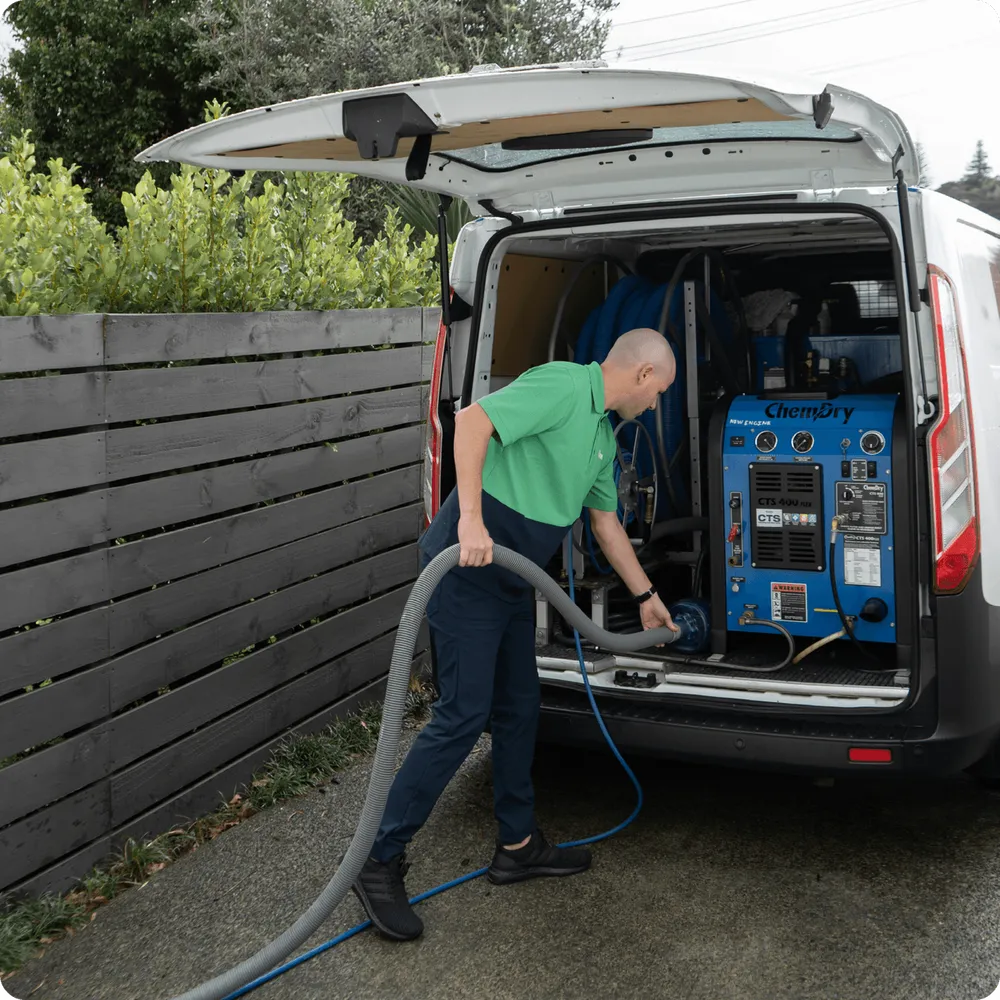
A Super City Chemdry technician working with cleaning equipment in the back of a van
Super City Chemdry equipment in use.

What do you need to keep track of?

Try the assessment for an initial recommendation, or talk through your workflow and what a pilot would need to prove.

Start the assessmentReview your tracking requirements