We build custom software and connect the systems and hardware behind day-to-day operations.
We have worked with businesses big and small.
Building business software since 2018.
AI and business improvement
02 / 09
AI is making business improvement more accessible.
Problems that once seemed too expensive or complicated to address are worth another look.
What AI changes
03 / 09
More problems are worth a second look.
When code costs less to produce, smaller improvements become worth exploring.
A workaround a business acceptsA focused improvement to explore
Timesheets re-entered→
Bring checked job details together for invoicing.
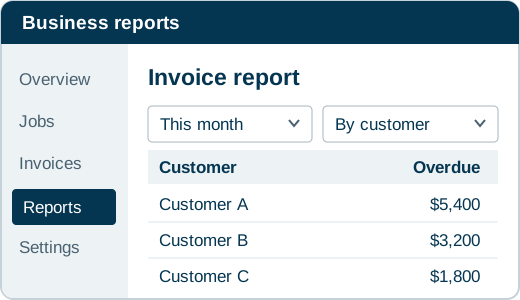
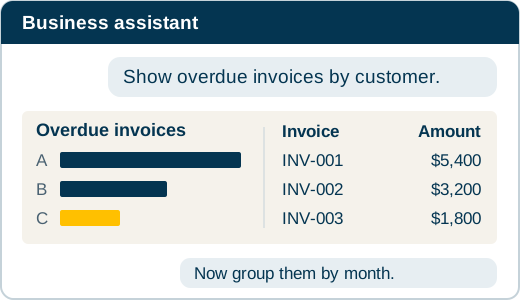
A report assembled by hand→
A view built around the decision someone needs to make.
A gap between existing systems→
A focused connection that removes a manual handoff.
A problem once dismissed on cost may deserve another look.
A lower coding cost changes the starting point. The benefit, reliability, integration and ongoing support still determine whether an improvement is worth making. AI's effect varies by task and context. Anthropic's internal research (opens in a new tab) describes previously neglected work becoming possible; METR's research update (opens in a new tab) explains the difficulty of measuring productivity gains. These are context, not a Calo savings guarantee.
Where the value lies
04 / 09
Intent means knowing what should change.
A prompt needs a business decision behind it.
Before asking AI to build something, we need to understand what a useful result looks like.
The outcome
What should happen differently?
The people
Who will use it, and who owns it?
The rules
What must it get right? What needs human review?
The evidence
How will we know it helped?
Intent in practice
05 / 09
The work doesn’t end with the form.
People still chase missing details, re-enter information and check what happens next.
Common friction
Collect information→
Chase missing details→
Re-enter it elsewhere→
Check it again
What we aim for
Capture once→
Apply agreed rules→
Review exceptions→
Get it where needed
Our value is understanding the process and making the whole thing work.
AI gives us more ways to make those improvements practical.
The useful change may be simpler forms, clearer rules, fewer handoffs or a connection between existing tools. Start with what people need to do next, then decide what to build and what needs human review.
Why business understanding matters
06 / 09
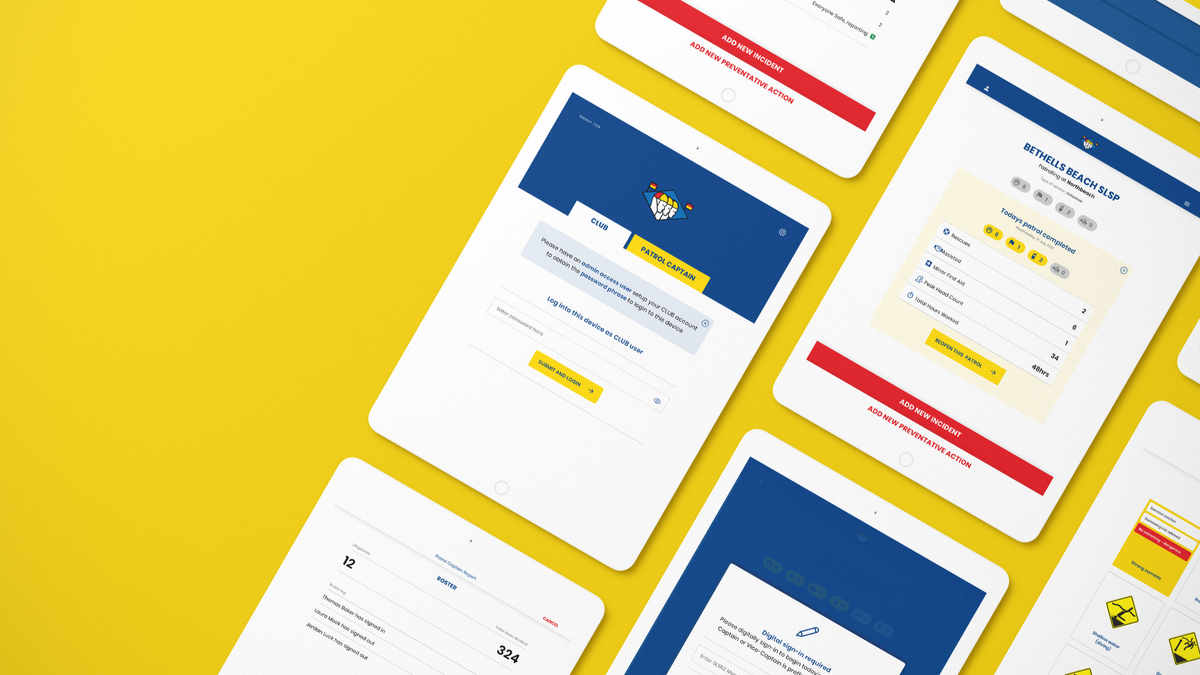
The brief was paper forms. The opportunity was wider.
We digitised incident forms and sent headcounts directly to SurfCom, replacing routine radio calls.
Patrol App, built with Surf Life Saving Northern Region.
The wider operational gains came with a trade-off: more work for lifeguards on the beach. Their pushback, particularly around health and safety processes, shows why understanding the people doing the work matters alongside the overall process.
Making it accessible
07 / 09
Tailored software. A smaller first step.
A lower-cost way for small businesses to start with systems tailored to how they work.
Start small
Choose one recurring problem worth solving, with someone responsible for the result.
Keep what works
Build around useful tools and connect the gaps.
Tailor the fit
Adapt the workflow and rules to how the business operates.
Grow from there
Support the first improvement and add more as needs change.
Reusable foundations and AI-assisted development help keep the starting cost down.
Small businesses can start with a focused improvement rather than a large software project or an in-house development team. We reuse common foundations, tailor the workflow and business rules, and provide ongoing support. Further improvements can be added as the business needs them.